Buy Less, Wear Better: A Fabric-First Guide
Reading fibre, weave, weight, and construction makes it easier to choose clothes that earn a long life.
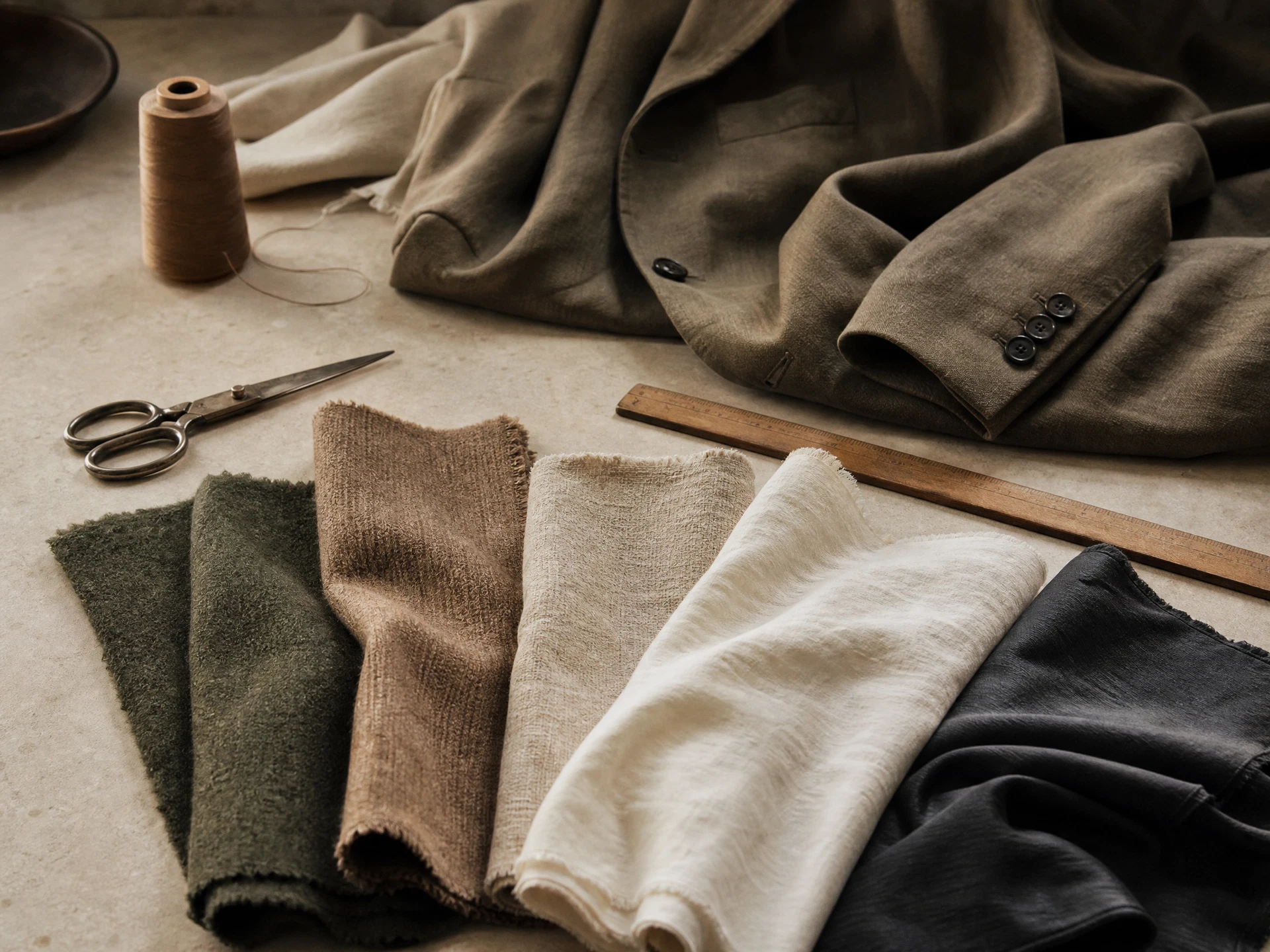
Fabric is often the quiet difference between a piece that becomes a weekly favourite and one that never feels right. A material does not need to be rare or expensive to perform well, but it should suit the job, the climate, and the care you can realistically give it.
Read the fibre first
The fibre tells you the broad behaviour of a fabric. Linen breathes and develops character through creasing. Wool can regulate temperature and recover its shape. Cotton varies widely depending on staple length, yarn, and weave. Synthetic fibres can add strength, stretch, or weather resistance. No category is automatically good or bad; the useful question is what the garment needs to do.
Notice the construction
Hold the fabric to the light, feel its density, and look at how it returns after being gently compressed. Check whether seams sit flat, patterns align, and stress points are reinforced. Turn a hem or cuff inside out. These details are not perfection tests. They are clues about whether the maker allowed enough material and care for regular wear.
Match care to daily life
A beautiful fabric that requires a routine you will not follow is not a practical purchase. Read the care instructions before deciding. Consider drying space, local weather, sensitivity to wrinkles, and how often the garment will need cleaning. Airing, brushing, spot cleaning, and patient drying can extend the life of many pieces.
Price the wear, not the promise
Imagine the garment after thirty wears, not under shop lighting. Does it combine with what you own? Can it be repaired? Will the surface age attractively? Buying less becomes easier when the decision begins with material behaviour rather than a persuasive image.

Editorial Director
Maya Chen
Maya writes about design, modern rituals, and the choices that make everyday life more considered. Her work looks for quiet intelligence in rooms, objects, and routines.
Read next
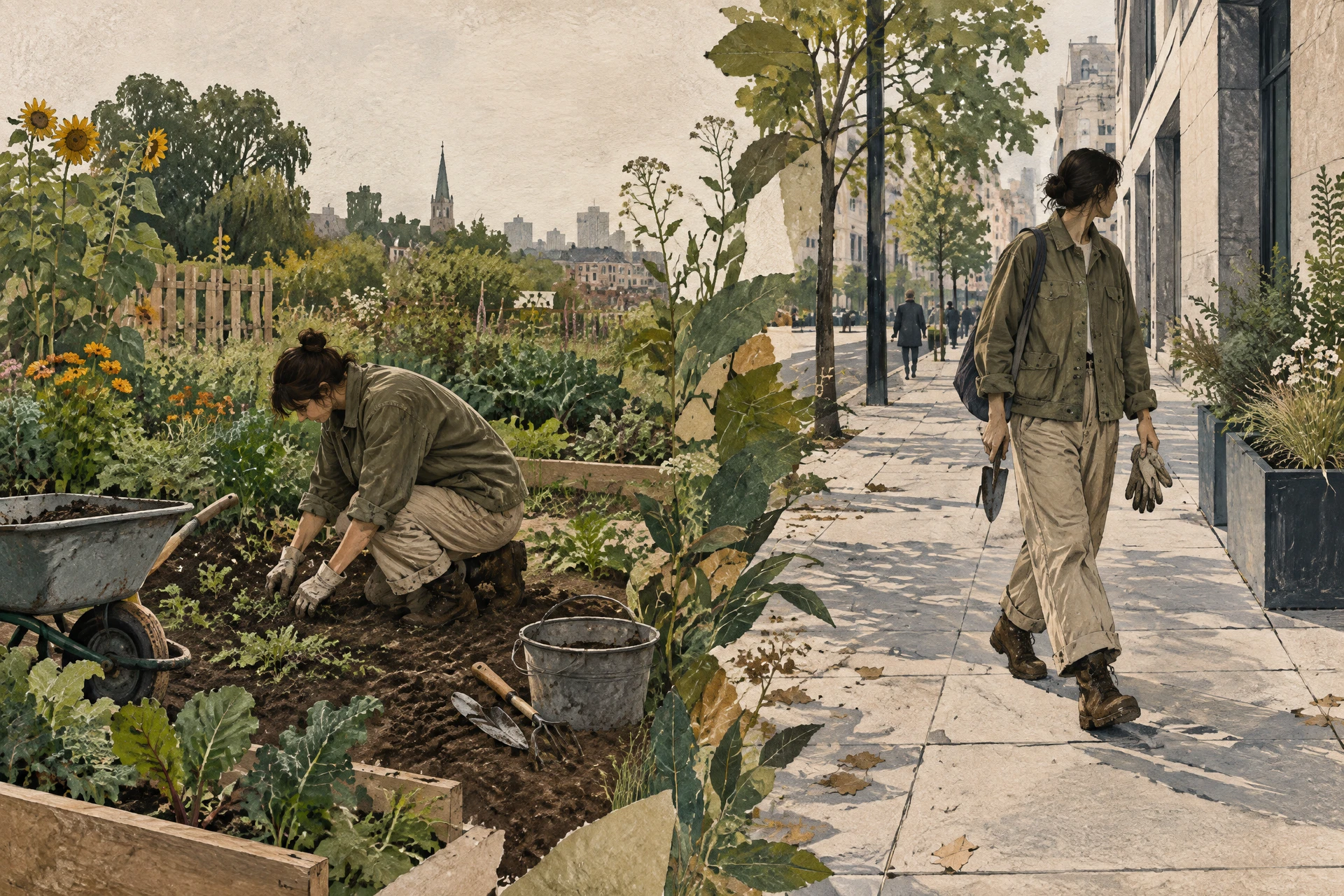
Why Gardener Style Is Moving From Allotments to City Streets
Practical garden clothing and nature-led materials are influencing city wardrobes, but the trend looks different from the skilled physical work that inspired it.
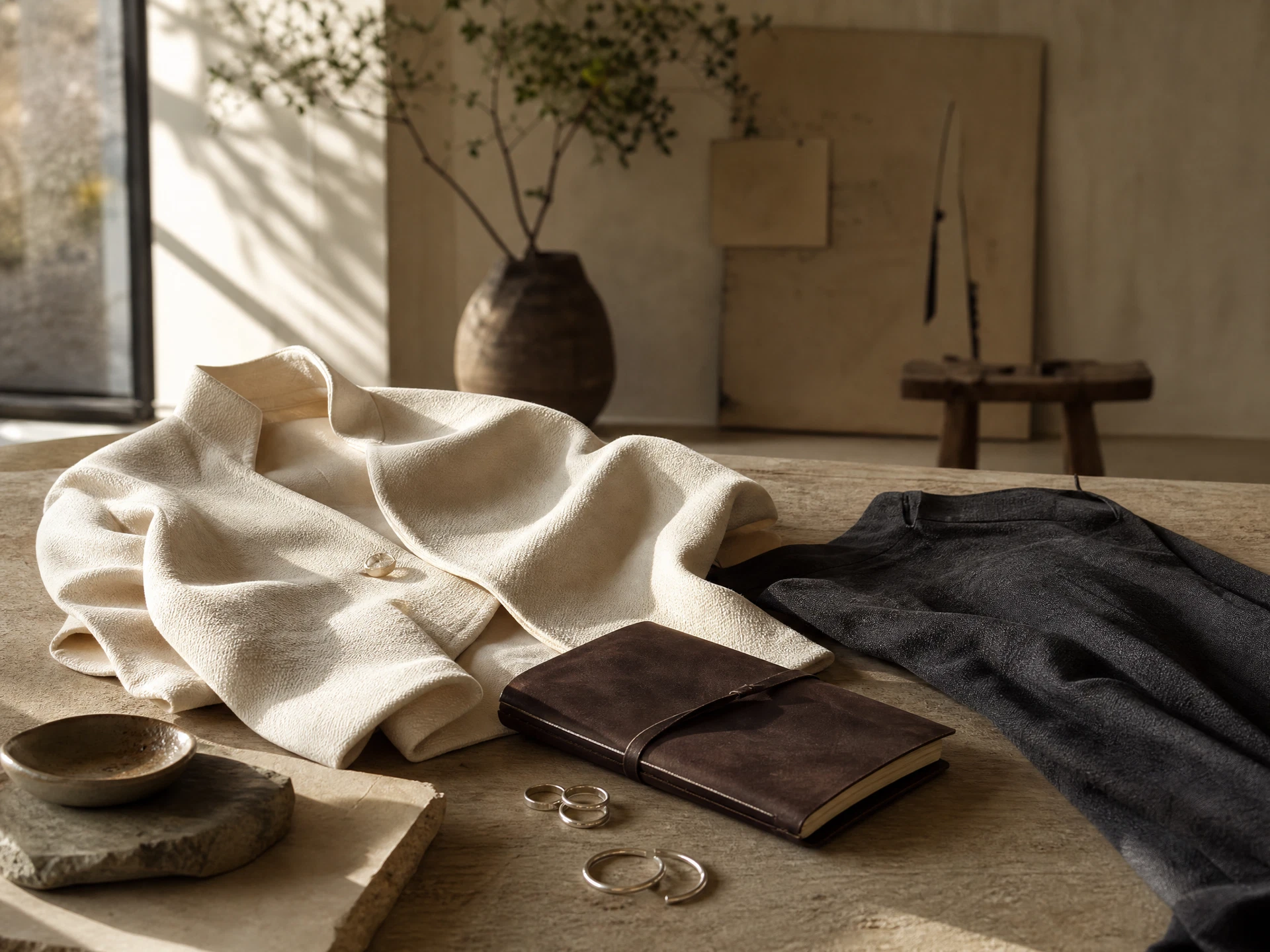
The Capsule Wardrobe, With Character
A smaller wardrobe need not feel anonymous. Start with proportion, texture, and the pieces that already make you stand taller.
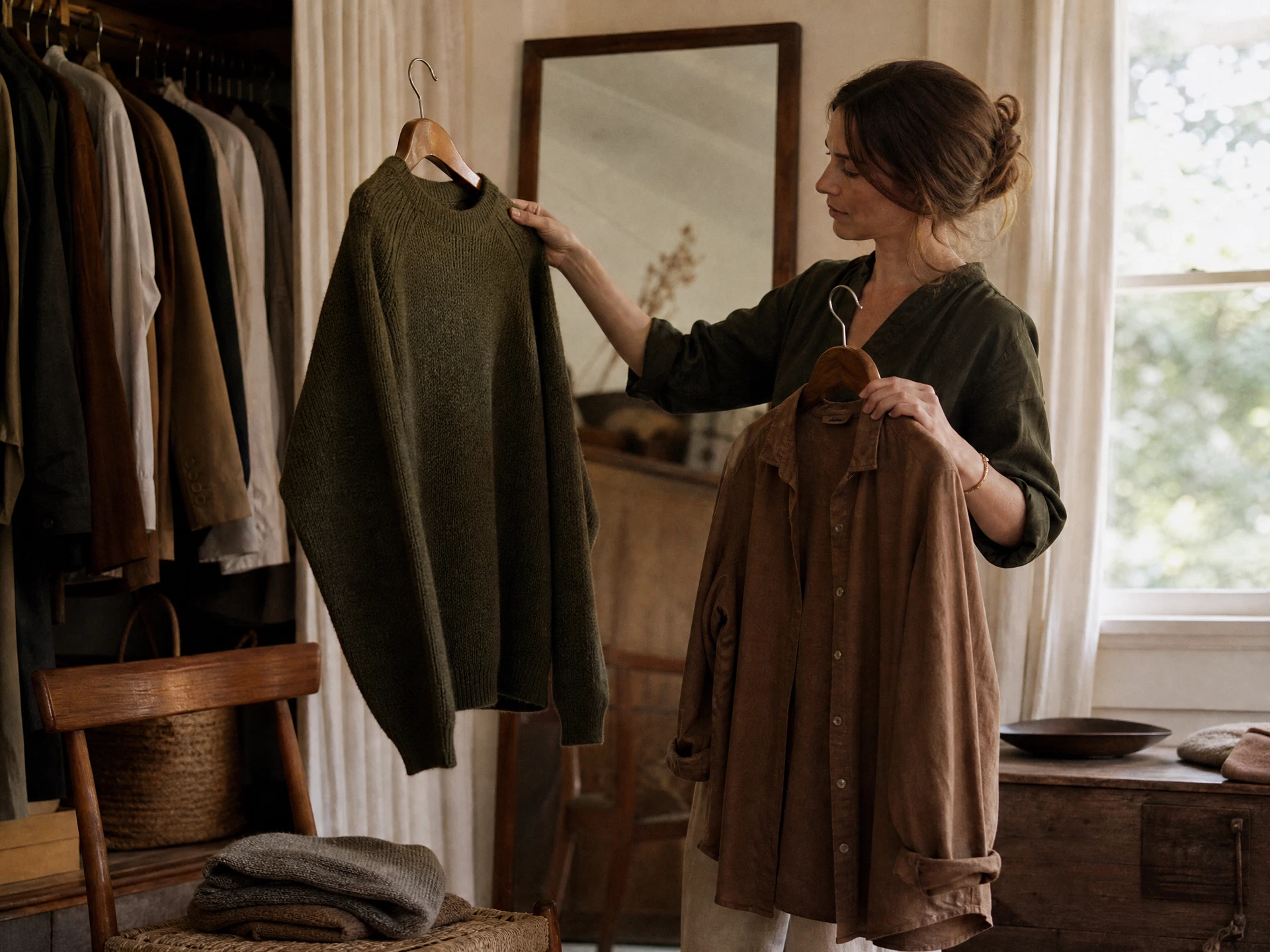
Finding a Personal Style Without Chasing Trends
A useful personal style is built from observation, repetition, and the clothes that support a real week.