A House That Breathes: The New Language of Quiet Interiors
Warm minimalism is less about empty rooms than about light, circulation, and materials that improve with time.
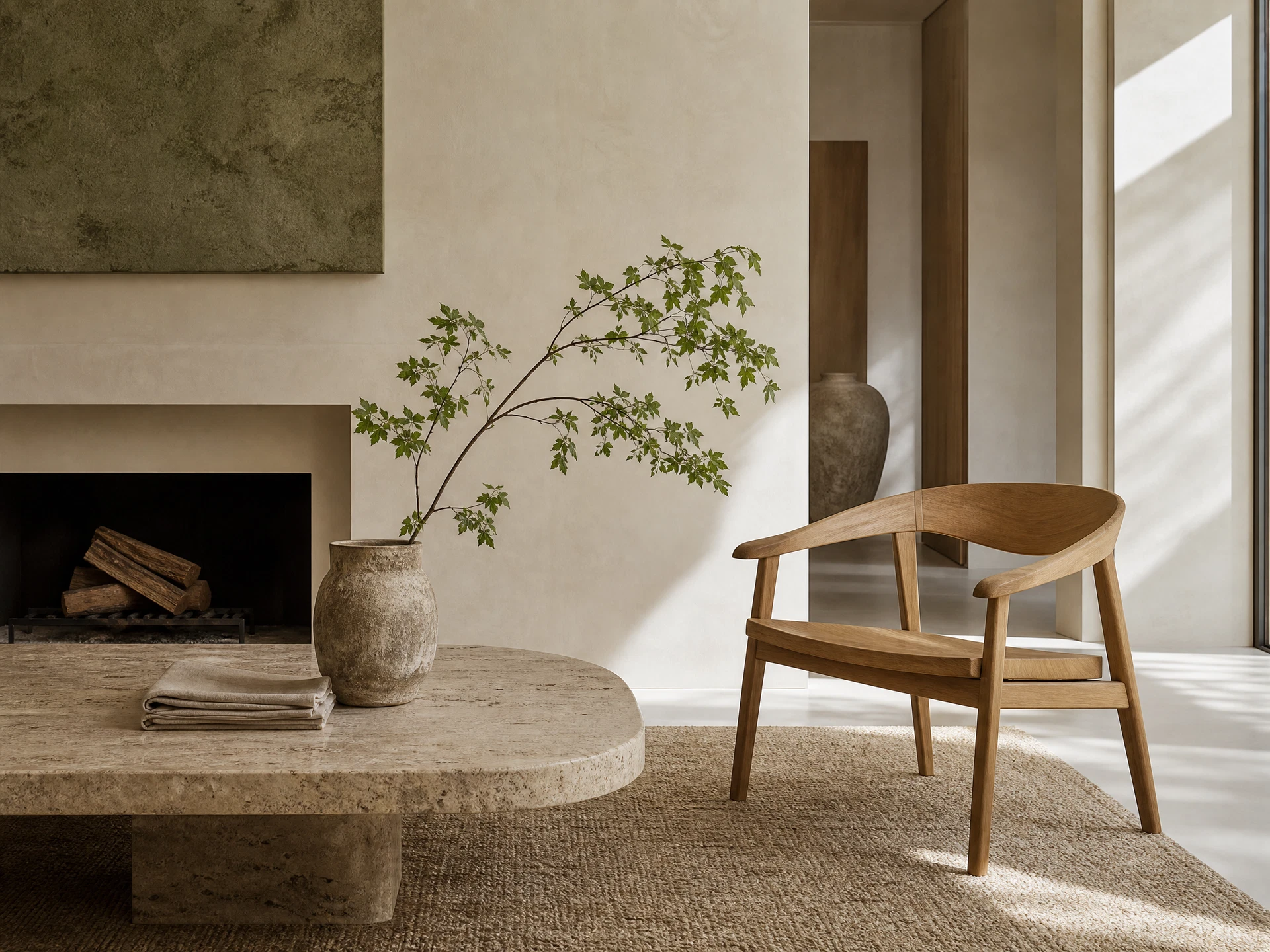
The most calming rooms are not necessarily the palest or the sparsest. They are the rooms in which movement feels intuitive, daylight has somewhere to travel, and objects have enough space to be noticed.
Begin with circulation. A clear path between the entrance, seating, and windows can make a modest room feel generous. Then introduce a limited material palette: perhaps limewash, walnut, linen, and one darker metal. Repetition creates coherence without demanding perfect symmetry.
Comfort remains the measure. A beautiful chair that is never used is merely a prop. Quiet interiors become memorable when they support reading, conversation, rest, and the ordinary evidence of a life being lived.

Editorial Director
Maya Chen
Maya writes about design, modern rituals, and the choices that make everyday life more considered. Her work looks for quiet intelligence in rooms, objects, and routines.
Read next
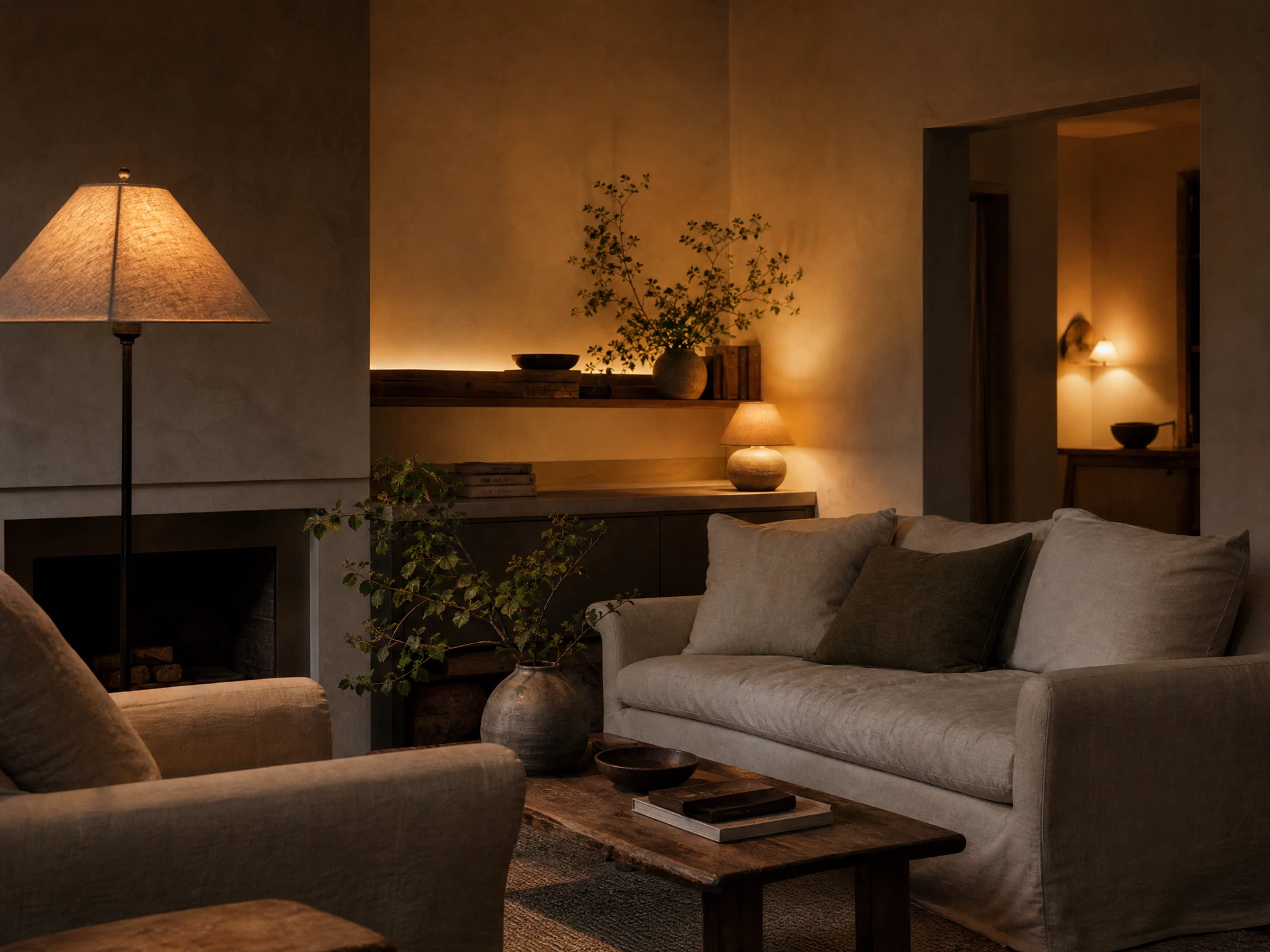
A Lighting Plan for Calmer Rooms
Layered light gives a room flexibility, clearer tasks, and a softer transition from day to evening.
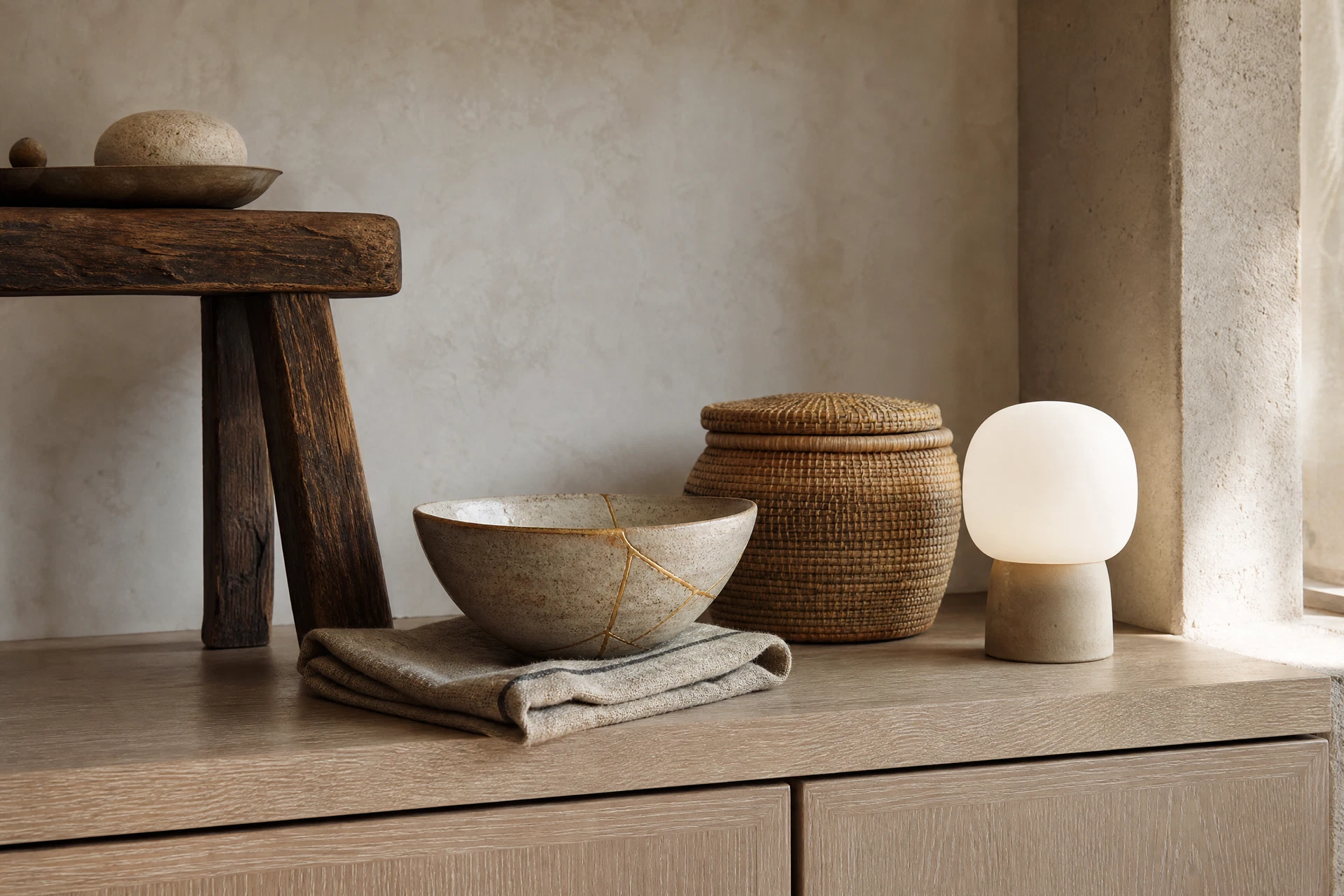
Objects Worth Keeping: A Field Guide to Everyday Heirlooms
Durability is only the beginning. The best household objects also become more legible, useful, and personal with age.