A Lighting Plan for Calmer Rooms
Layered light gives a room flexibility, clearer tasks, and a softer transition from day to evening.
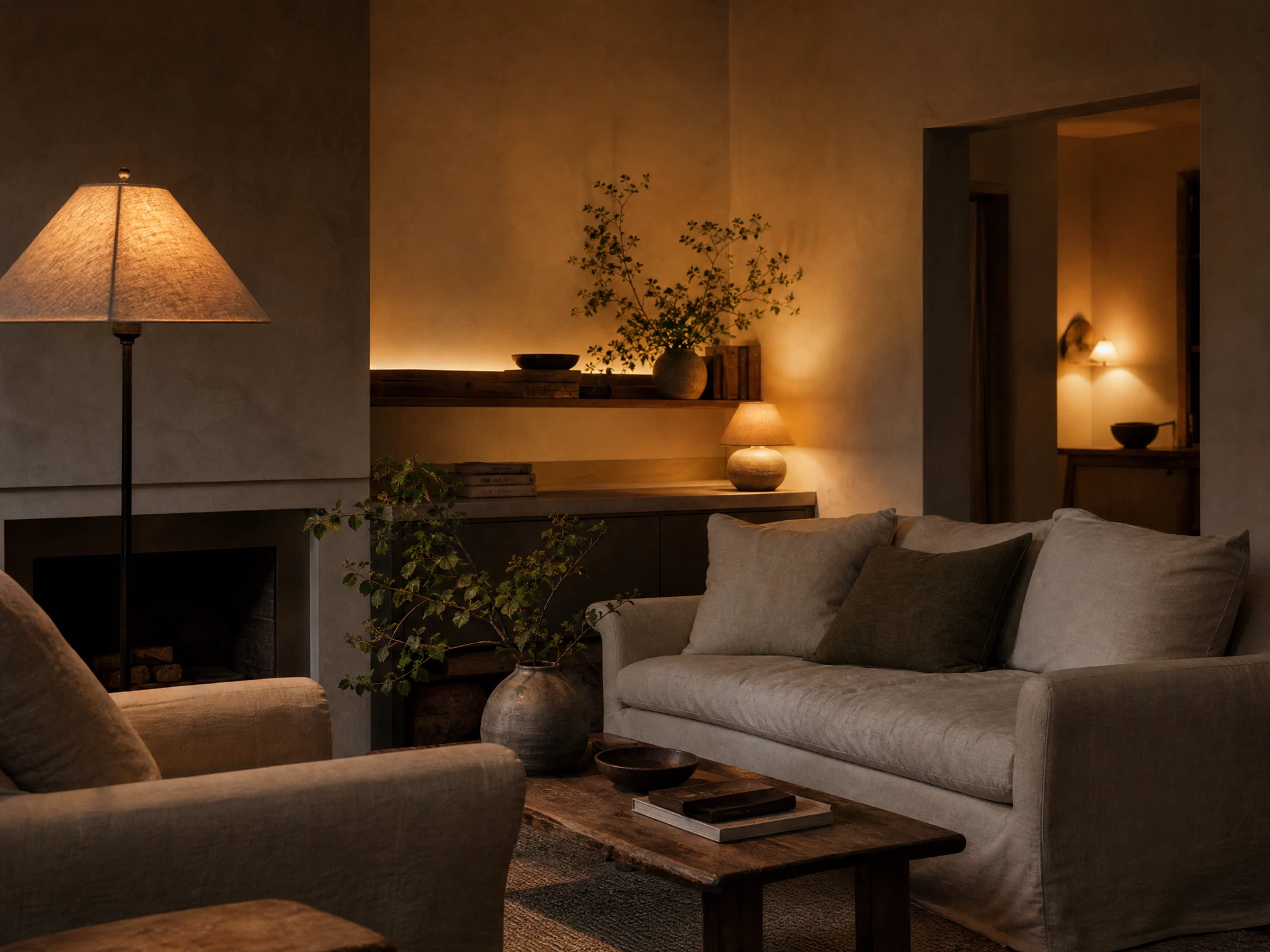
A room can be beautifully furnished and still feel unsettled after dark. The problem is often not the style of the lamp but the absence of a lighting plan. One bright source asks every activity to happen under the same conditions. Several smaller sources allow the room to change with the hour.
Begin with the work of the room
List what happens there: reading, cooking, conversation, cleaning, dressing, or watching a film. Each task needs light in a different place. A reading chair needs focused light near shoulder height. A kitchen worktop needs clear illumination without throwing the cook into shadow.
Build three layers
Ambient light helps people move through the room. Task light supports a specific activity. Accent light gives depth by illuminating a wall, artwork, shelf, or architectural surface. Not every room needs many fixtures, but most benefit from at least one source in each layer.
Vary height and direction
Light feels flatter when every bulb sits near the ceiling. Add a table lamp, floor lamp, or low wall light so the eye encounters different pools of brightness. Aim light at surfaces when you want a reflected glow, and shield exposed bulbs that create glare.
Use temperature consistently
Mixing very cool and very warm bulbs in one view can make a calm room feel fragmented. Choose a comfortable range and adjust brightness before changing colour. Dimmers or stepped bulbs are useful where a room shifts from practical work to rest.
The final test is simple: turn off the ceiling light and see whether the room still supports its evening life. A good plan is not dramatic. It is a sequence of small lights that makes the room easier to inhabit.

Editorial Director
Maya Chen
Maya writes about design, modern rituals, and the choices that make everyday life more considered. Her work looks for quiet intelligence in rooms, objects, and routines.
Read next
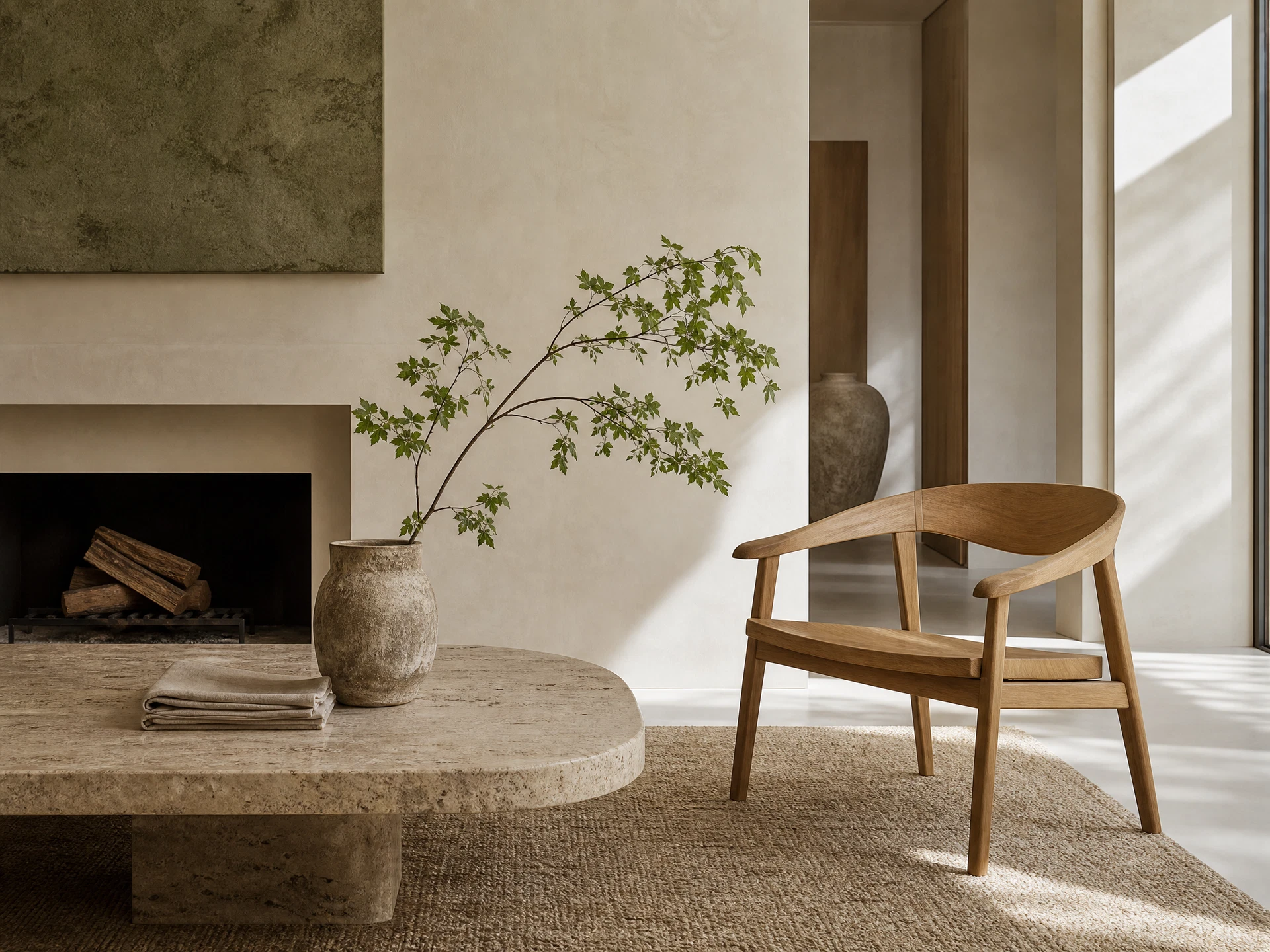
A House That Breathes: The New Language of Quiet Interiors
Warm minimalism is less about empty rooms than about light, circulation, and materials that improve with time.
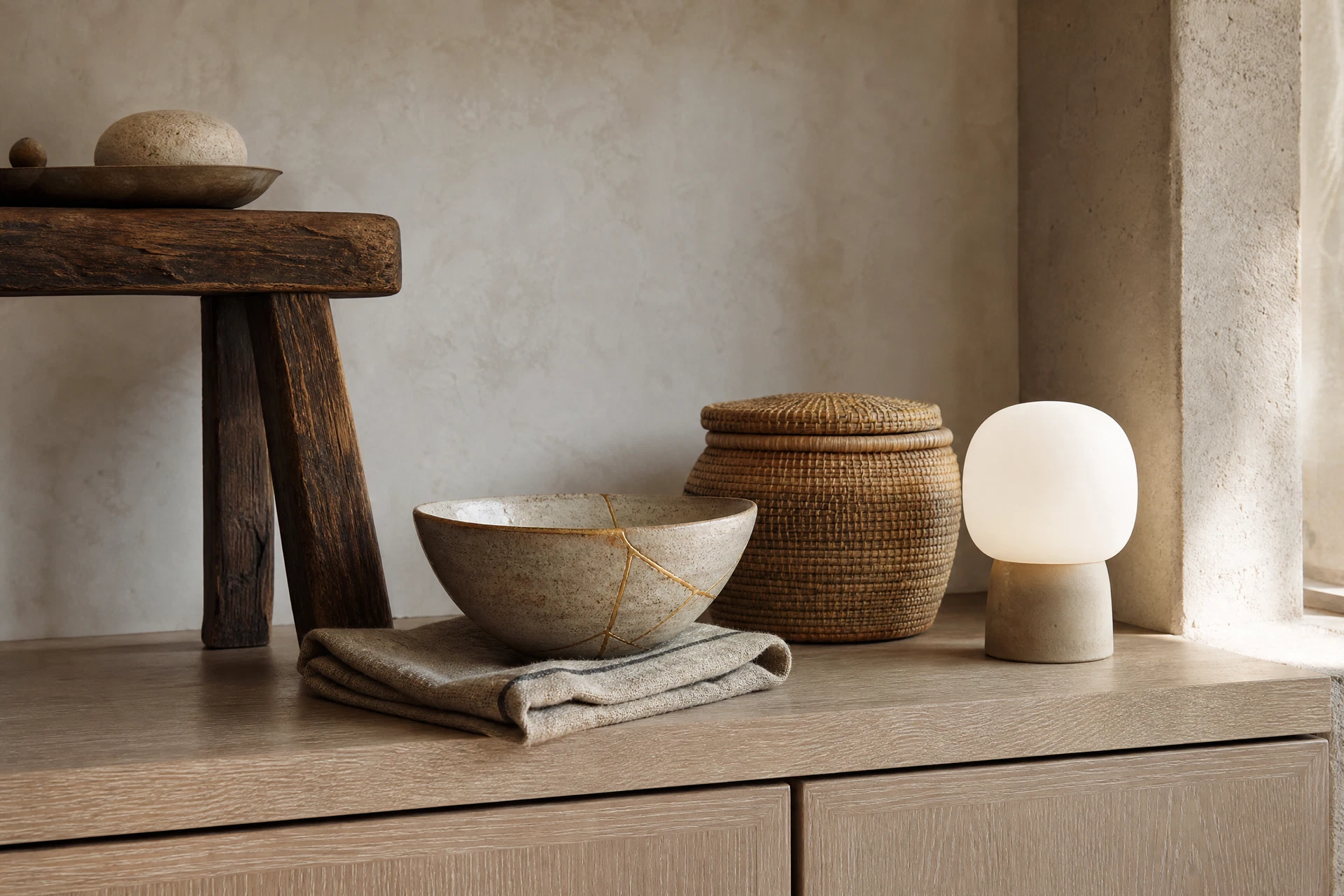
Objects Worth Keeping: A Field Guide to Everyday Heirlooms
Durability is only the beginning. The best household objects also become more legible, useful, and personal with age.