Ravyn Lenae on Blue Island, Viral Attention and Refusing Genre Limits
A new NPR conversation connects the artist's latest work with the pressure of viral visibility, genre expectations, choreography and personal change.
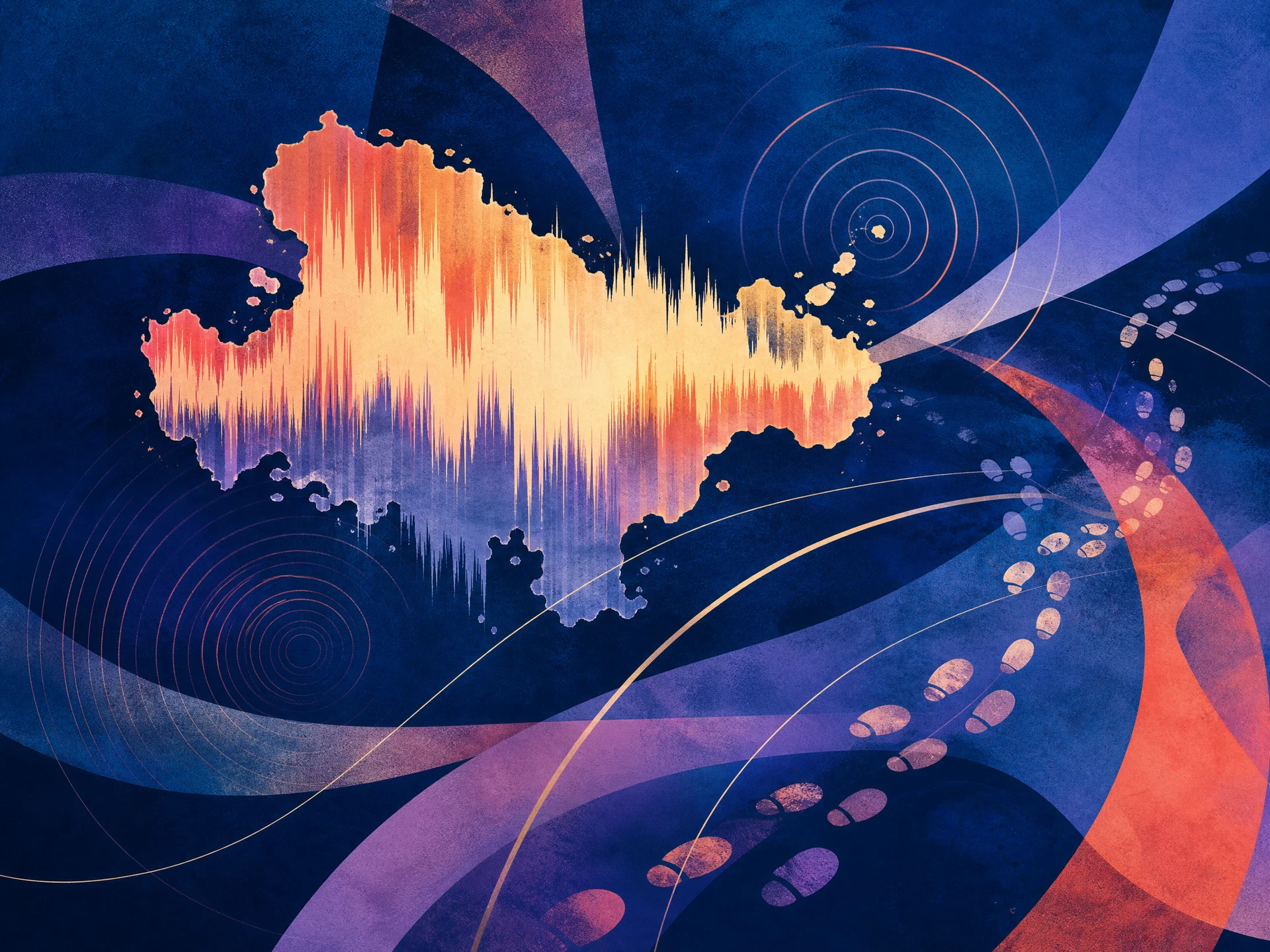
Ravyn Lenae's conversation with NPR is useful not because it supplies a simple origin story for a new record, but because it shows several kinds of creative pressure operating at once. The interview connects *Blue Island* with viral attention, identity, genre, choreography, and the difficult work of writing through personal change.
A new interview, not a same-day album launch
NPR published the audio interview and transcript on 6 September. *Blue Island* was already available, so the timely development is the artist's new account of the work rather than the release of the album itself. That distinction keeps the story grounded in what actually changed during the reporting window.
Lenae describes “Handle” as a declaration of self. The idea is not simply confidence as an image; it is the effort to name who she is while public attention is expanding and other people are offering definitions of their own.
Viral visibility changes the scale of scrutiny
A viral song can introduce an artist to listeners far beyond an existing audience. It can also make reaction arrive faster than context. Lenae discusses the benefit of new visibility alongside pressure and scrutiny around her identity and Blackness.
That tension matters in a culture that often treats reach as an uncomplicated success metric. A larger audience may create opportunity while narrowing the room for uncertainty, experimentation, or an artist's own pace. The interview presents visibility as something to navigate, not simply celebrate.
Genre labels are not neutral
Lenae also speaks about genre expectations placed on Black artists. Categories help listeners find music and help institutions organise coverage, radio, awards, and marketing. They can also become limits when a musician's range is interpreted through identity before sound.
Refusing genre limits does not mean pretending influences do not exist. It means allowing an artist to combine, revise, and move among them without every change being treated as a departure from an assigned lane. *Blue Island* becomes a useful title for that creative space: recognisable, bounded, and still surrounded by routes outward.
Movement is part of the authorship
The interview's attention to choreography shows how the record exists beyond audio. Movement can translate rhythm into physical intention, change the emotional force of a lyric, and make performance another layer of composition. For an artist adjusting to a larger stage, choreography can be both expression and structure.
Writing through personal change
Lenae links parts of the album to a breakup. The responsible editorial approach is not to turn that disclosure into biography by speculation. It is to treat it as the artist's explanation of how personal change entered the writing.
LifestylesJournal did not conduct this interview and is not reviewing the album here. The value lies in reading the themes Lenae chose to articulate: self-definition, sudden attention, racialised genre boundaries, movement, and the attempt to make form from a changed private life.
Wellbeing & Food Editor
Elena Ortiz
Elena explores food, movement, and hospitality through an accessible lens. Her stories connect practical guidance with the sensory pleasure of daily life.
Read next
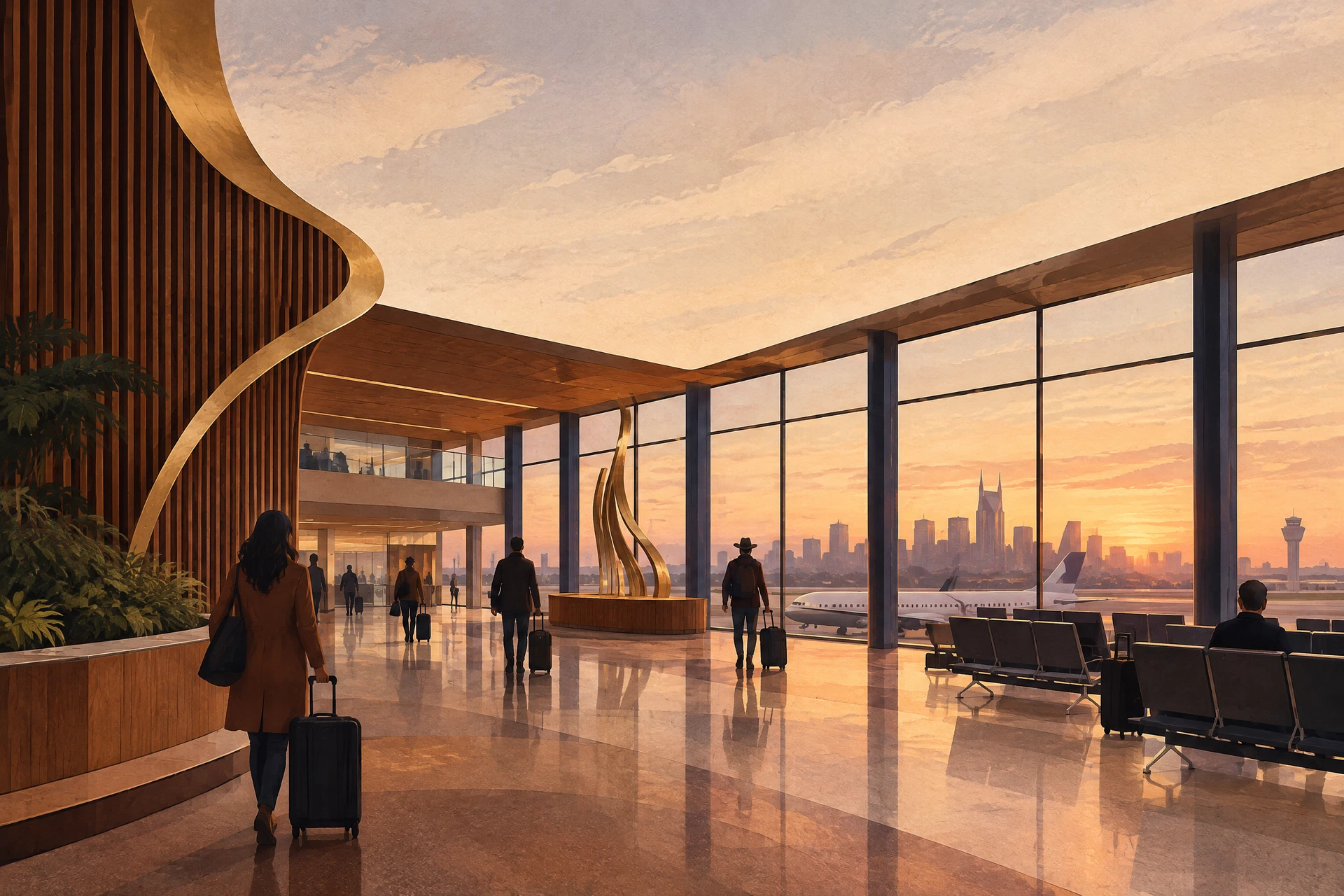
Nashville Begins Its Dolly Parton Airport Naming Process—But the Final Name Is Not Set
A 6–0 airport-authority vote starts a public naming process while leaving the final name, cost, approvals and implementation timeline unresolved.
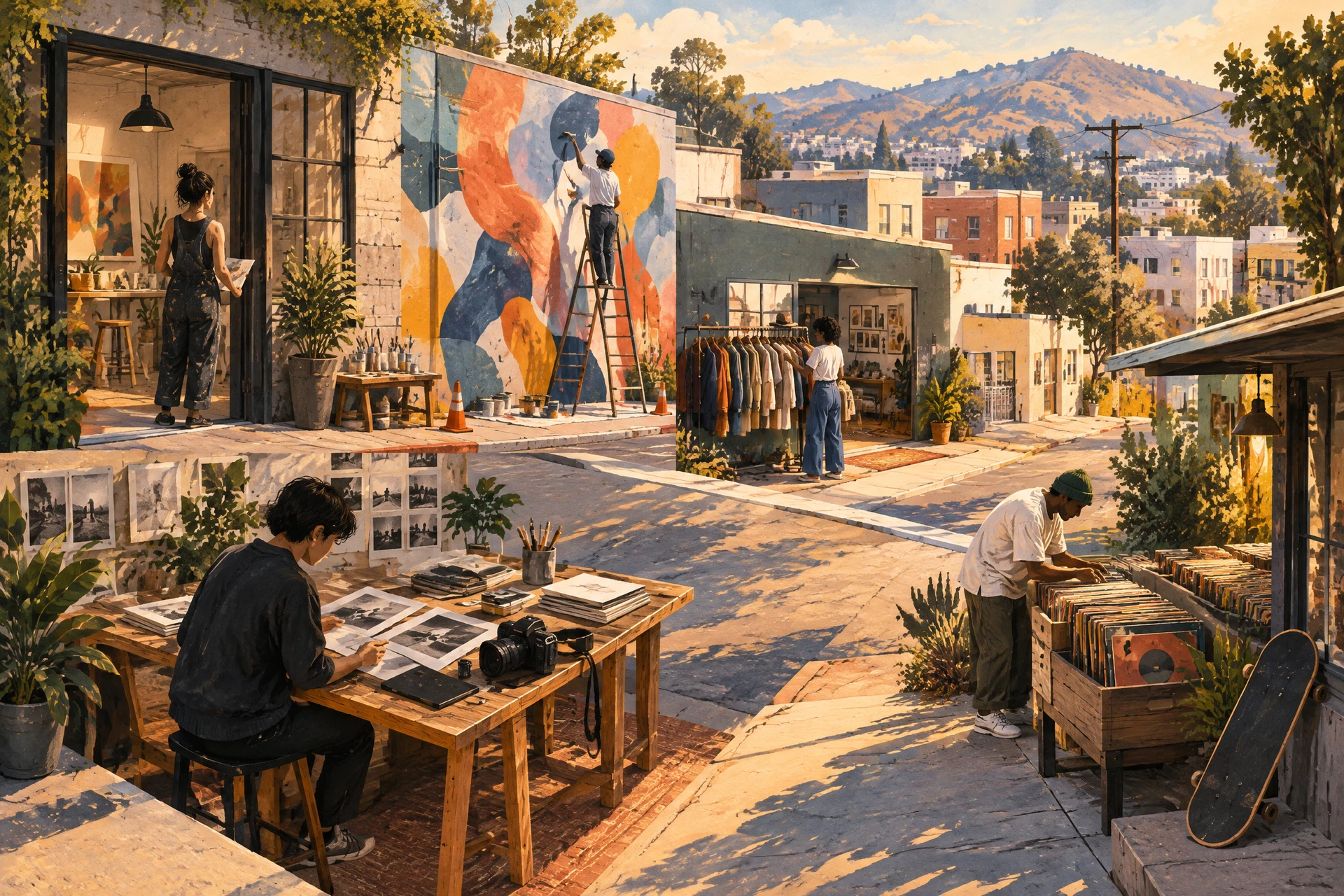
How L.A.'s Artists Turn Neighbourhoods Into a Cultural Map
A city without one cultural centre can be understood through the artists, musicians, photographers, designers and collectors rooted in its different neighbourhoods.
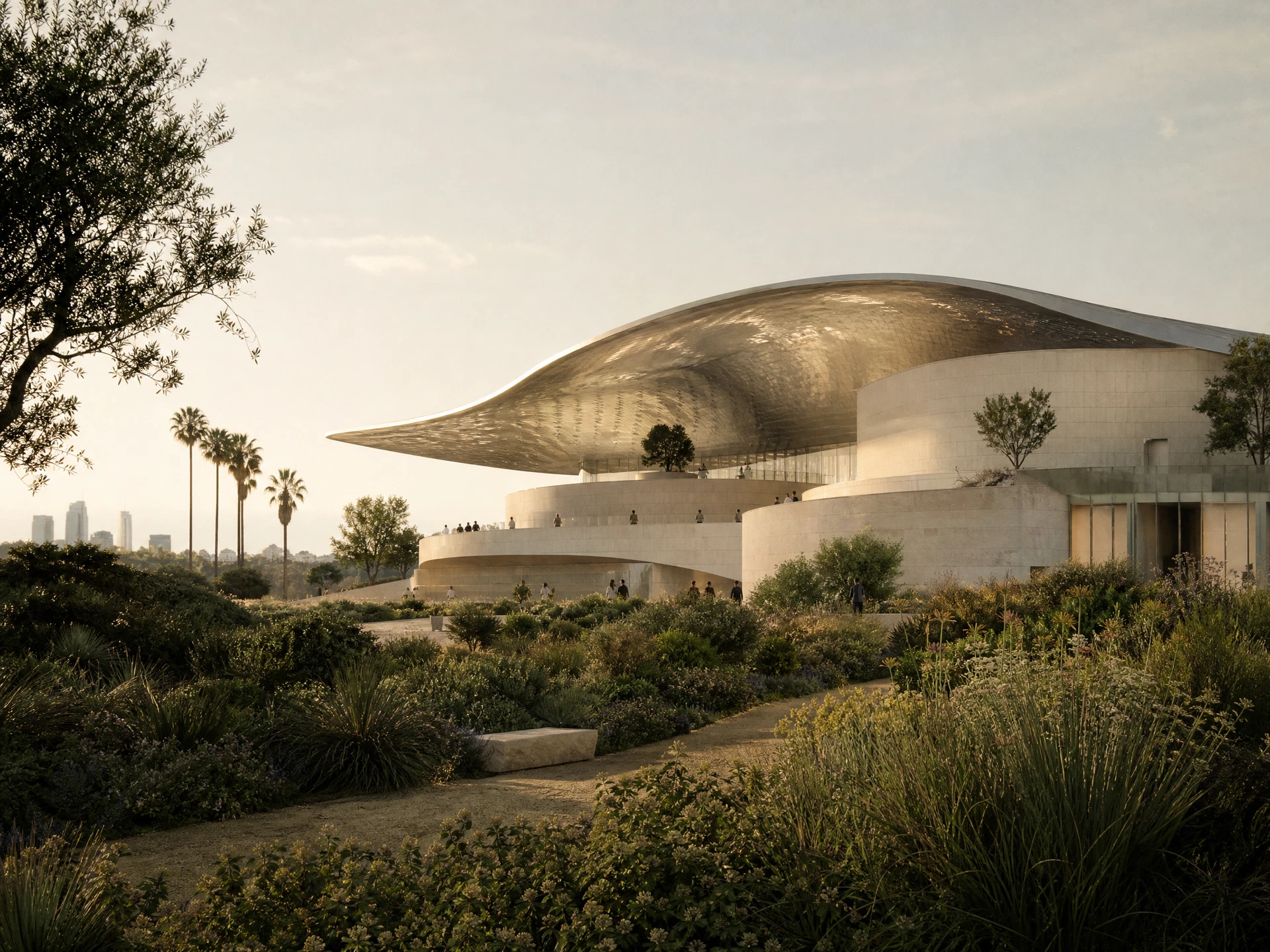
Lucas Museum Preview Reveals a Home for Narrative Art
A Los Angeles press preview reveals a museum built around visual storytelling before its planned September 22 public opening.