Slow Travel Starts With One Neighborhood
Staying close, returning often, and learning a few local rhythms can make a short trip feel more connected.
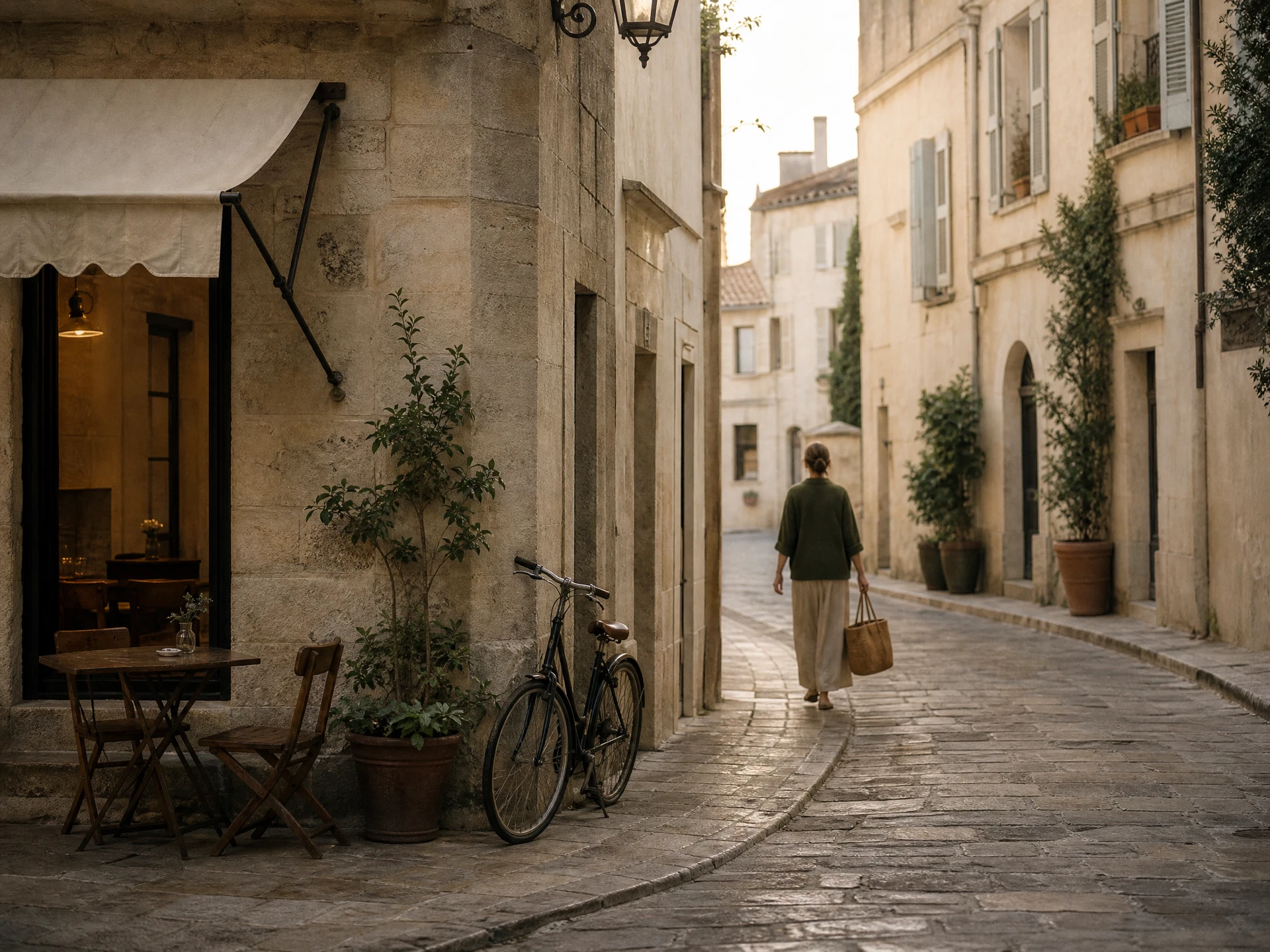
Slow travel is sometimes described as a matter of trip length, but attention matters just as much as time. A short stay can feel less hurried when it is organised around one neighbourhood instead of a sequence of distant highlights.
Choose a workable base
Look for a place where daily needs are reachable on foot: breakfast, groceries, public transport, a park, and an evening meal. The best base is not necessarily the most photographed district. It is the one that allows repeated contact with ordinary life and reduces time spent crossing the city.
Return to the same places
Visit one cafe twice. Walk the same street at a different hour. Buy fruit from the same market stall. Repetition creates recognition, and recognition changes the texture of a visit. You begin to notice when shutters open, where residents pause, and how the neighbourhood sounds after rain.
Plan one anchor each day
Choose a single museum, meal, walk, or appointment, then leave space around it. This is not an argument against curiosity. It is a way to protect enough time for discoveries that do not fit a list. Keep distances short and allow the route itself to become part of the day.
Leave useful traces
Write down a few practical details for yourself: the quietest morning route, the bakery that sells out early, the bus that simplified a journey. These notes are more valuable than a complete record of landmarks because they preserve how the place worked.
Travel feels slower when the day has room to repeat, revise, and notice. One neighbourhood is enough to begin.

Features Editor
Julian Reed
Julian covers travel, mobility, culture, and the evolving meaning of luxury. He is interested in places and products that reward attention rather than announce themselves.
Read next

48 Hours on the Coast, Without a Checklist
A place-led itinerary built around early swims, family kitchens, quiet paths, and enough unplanned time to notice where you are.

How Women Are Changing Venice's Working Waterways
Gondoliers, boatbuilders and navigation teachers are opening new paths through Venice's historically male-dominated water professions.
The Restorative City Break
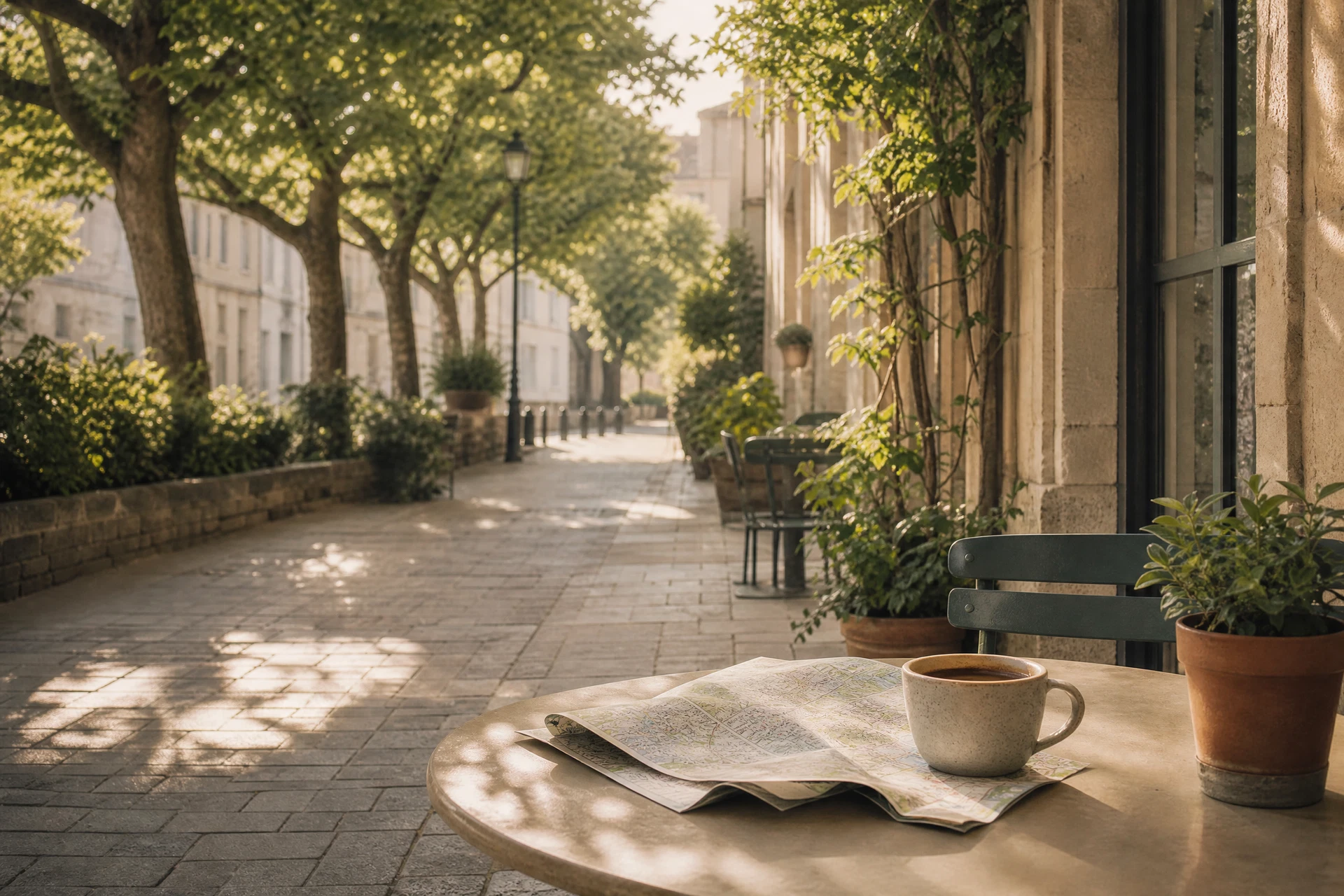
Travel can feel spacious in a dense city when each day is organized around a neighborhood rather than a list of landmarks.